

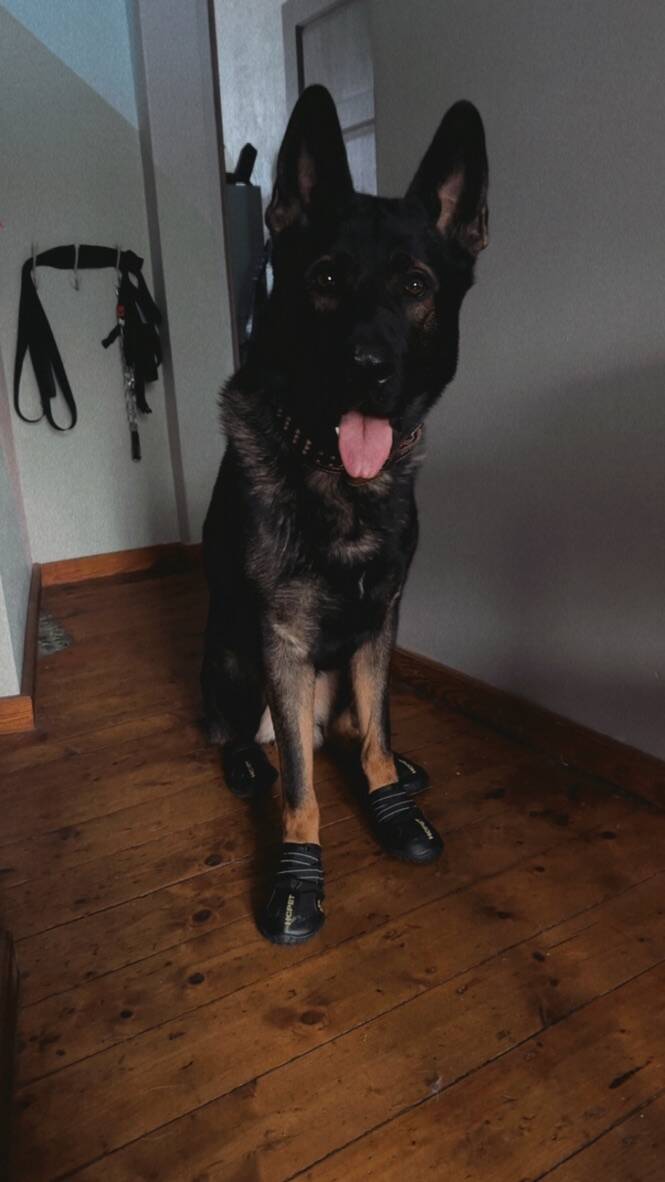
Winter is a beautiful but challenging season for both humans and their four-legged companions. While we enjoy snowy landscapes and crisp winter walks, our dogs might suffer if their paws are not properly cared for during the cold months. Salt, ice, and dryness are the main threats to a dog’s paws in winter, requiring special attention. In this article, we’ll explore how to keep your dog’s paws healthy and protected throughout the chilliest season of the year.
Winter Challenges for Dog Paws
Cold and snow themselves rarely cause issues, but the environmental factors that come with winter can significantly harm a dog’s paws. One of the biggest threats is road salt, which can irritate, crack, or even burn paw pads. Ice chunks that stick to the paws can be not only uncomfortable but also lead to painful cuts or tears.
Additionally, dry winter air and sudden temperature changes—from freezing outdoor walks to warm indoor environments—can make a dog’s paw pads rough and dry, leading to cracking. These injuries are not only painful for your dog but also create entry points for infections if left untreated.
How to Protect Your Dog’s Paws in Winter
-
Establish a Paw Care Routine.
After every winter walk, thoroughly wipe your dog’s paws with a warm, damp cloth or rinse them with lukewarm water. This removes salt, ice, and other irritants that may have stuck to the paws. -
Moisturize and Protect.
Use specially formulated dog paw balms or waxes regularly to keep the paw pads moisturized and more resistant to external damage. These products also create a protective barrier, reducing the harmful effects of salt and ice. -
Trim the Fur Between Paw Pads.
If your dog has longer fur between their paw pads, trim it during winter to prevent snow and ice from sticking, which can cause discomfort or injuries. -
Use Dog Booties.
While not every dog will immediately take to wearing booties, they are an excellent solution for protecting paws from salt and ice. Modern dog booties are available in various materials and designs, offering both functionality and comfort. -
Avoid Salted Areas.
Opt for walking routes with less salt or take your dog to natural areas where roads are not treated with salt. If this isn’t possible, always clean the paws thoroughly after a walk.
When to Consult a Veterinarian
If you notice your dog’s paws are red, cracked, or appear inflamed, consult a veterinarian immediately. Pay extra attention if your dog shows signs of pain or reluctance to bear weight on their paws, as this could indicate more severe injuries or infections.
Winter Paw Care: An Investment in Your Dog’s Well-Being
Your dog’s paws are their only point of contact with the ground, enduring all the winter season’s challenges—cold, salt, ice, and dryness. By ensuring proper paw care, you not only prevent unnecessary pain and discomfort but also promote your dog’s overall health and happiness. As a responsible owner, you’ll ensure that winter is a joyful and safe time for both you and your loyal four-legged friend.
Add comment
Comments