

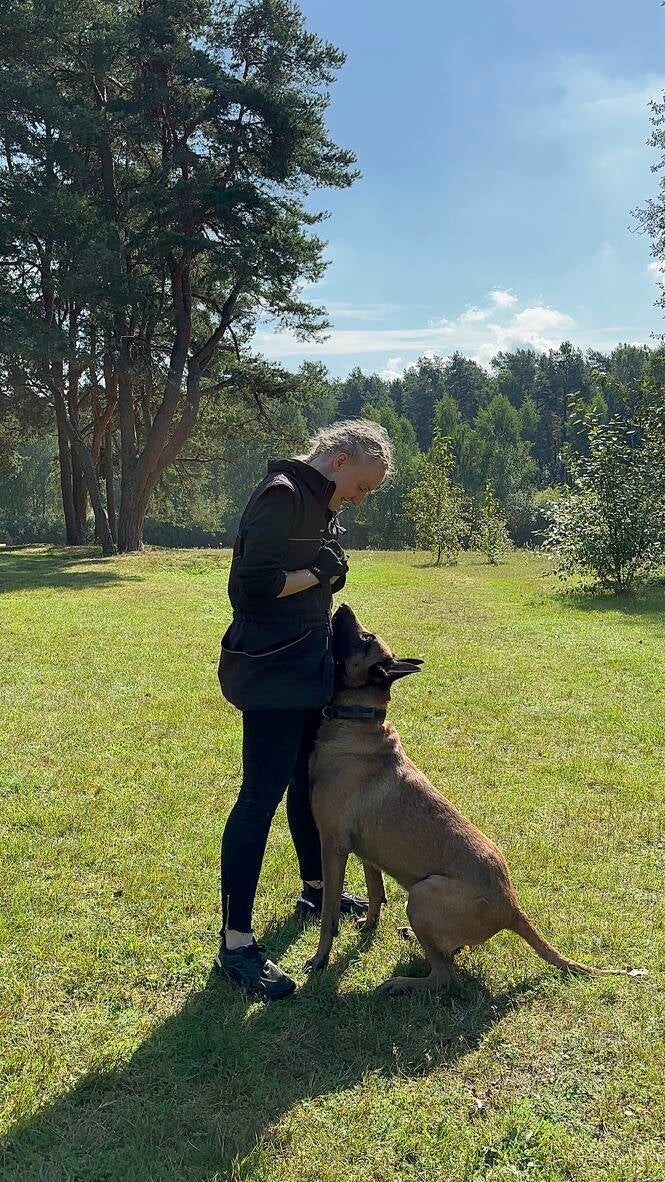
A dog is our best friend and companion, but in order to create a harmonious coexistence, a proper training method is required. When choosing the most suitable training method, it is important to take into account both the individuality of the dog and your skills and lifestyle as the owner.
Let's take a look at what methods we have, what methods we can work with.
1. Positive reinforcement
Positive reinforcement is one of the most humane and effective methods used in dog training. This method is based on the fact that the dog is rewarded for the desired behavior so that he repeats the behavior. Rewards can be treats, toys, attention or praise.
How does it work?
When the dog correctly executes the command or demonstrates the desired behavior, you reward him. As a result, the dog learns to associate this behavior with a positive experience and wants to repeat it.
Pros:
Promotes a positive bond between dog and owner
The dog learns with enthusiasm because the training is enjoyable
Excludes forcing the dog or using any form of punishment
Cons:
In the beginning, there may be a slower training progression if the dog has difficulty understanding what is expected of him
Improper use (too many treats or unclear rewards) can lead to overweight problems or unwanted behavioral consequences.
Positive reinforcement is an excellent choice for all dogs, regardless of age or breed, because it creates a positive and trusting training environment.
2. Clicker training
Clicker training is a popular tool used in combination with positive reinforcement. A clicker is a small device that makes a click when the dog performs a desired action, allowing you to mark the exact moment more precisely.
How does it work?
When the dog performs the correct behavior, the owner presses the clicker, followed by an immediate reward (treat or praise). The click serves as an immediate cue for the correct behavior, making it clear exactly what the dog is being rewarded for.
Pros:
Fast and accurate feedback to the dog's performance, making training more effective
Helps to clearly identify the moment when the dog does something right, regardless of the time delay until the reward
Ideal for learning more complex tricks and tasks
Cons:
The owner needs time to learn how to use the clicker properly
If the clicker is used incorrectly, it can cause confusion for the dog
Clicker training is a great trick for precise and detailed training, especially for dogs that are easy to train and ready to follow more complex commands or tasks.
3. Combined method
Blended training combines different methods such as positive reinforcement and structure. Its use depends on the situation, the dog's behavior and needs. For example, a dog can be rewarded for good behavior, but at the same time clearly informed about rules and boundaries.
How does it work?
Trainers or owners can use different methods, such as clicker training in combination with positive reinforcement, to improve accuracy. Other times, a stricter entry is required, such as correcting prohibited behavior.
Pros:
Adaptable to different situations and needs of the dog
You can combine what works best
Cons:
It can be more difficult to create a consistent learning system when multiple methods are used
If there is no clear structure, the dog can get confused about what is expected of him
4. Individualized approach
Each dog is unique, so it is important to choose a training method that matches the character, temperament and age of the particular dog. For example, puppies are often more sensitive to stimuli and respond more quickly to positive reinforcement, while older dogs may be more accustomed to a certain routine and require more patience in the training process.
How does it work?
The owner observes their dog and identifies what works best. If the dog is very energetic and motivated with treats, positive reinforcement may be the best method. If the dog is dominant or difficult to train, he will need a combined method.
Pros:
Training is completely tailored to the individual dog, which increases the likelihood of success
Provides flexibility and opportunity to experiment with different methods
Cons:
It can be difficult for inexperienced owners to determine what works best
May require more time and patience
The individual approach is for those owners who want a personalized training experience and are ready to experiment to find the best solution for their dog.
Add comment
Comments