

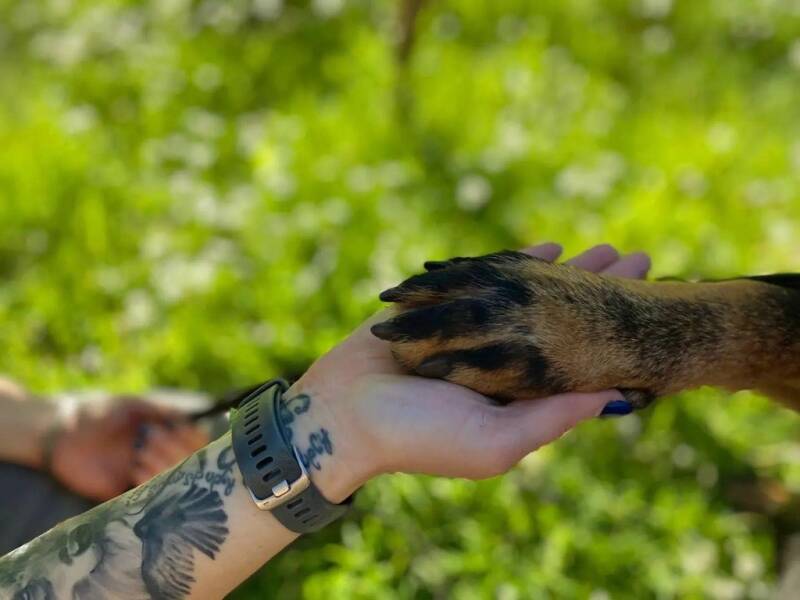
Many owners love to take their dogs for walks to enjoy the warm summer weather with them, but many forget one important detail: hot pavement can and will burn a dog's paws. It can be tempting to take your dog with you everywhere you go, but it can seriously harm your dog if you're not careful. Remember that if asphalt and pavement can get hot enough to cook an egg in the summer, or if it feels too hot for you to comfortably leave your hands on the ground for at least 10 seconds, then it can cause nasty burns to your dog's paw. This is especially true if you have a new puppy with tender new paws.
Some tips to protect your dog from burns:
1. Walk your dog when it's cool outside
It's an obvious tip, but sometimes people don't take it seriously. It's a great idea to take your dog for daily walks, but be aware of when and where you walk them. The best time to walk your dog is in the morning or late evening when the pavement is cool. Avoid walking your dog in the afternoon when the sun is high in the sky or in the early evening as the pavement will be hot.
2. Take care of your dog's paws
When it's time to walk the dog, it might be a good idea to stick to the sidewalk during the cooler hours of the day. As long as the pavement is cool, it won't burn your dog's paws and will help strengthen them. this will help prevent possible burns that may occur later.
3. Stay on the grass
If you take your dog outside during the warm part of the day, be sure to stay on the grass and stick to shady areas. Stay away from sidewalks or paved areas to avoid burns. A shady park can be a great place to take your dog on a warm afternoon.
4. Moisturize your dog's paws
Consider moisturizing your dog's feet daily to prevent injuries such as cuts, cracks, or peeling paws. Minor injuries like these can make your dog's paws more susceptible to burns and other serious problems. Every time you come back from a walk, rinse your dog's paws and smear them with a moisturizing paw cream.
5. Use paw wax
Paw wax can be easily applied to the pads of your dog's paws to protect them from harmful surfaces. Paw wax is designed to protect your dog's paws from hot surfaces and potentially harmful chemicals such as road salts.
6. Dog booties
Dog shoes are one of the best ways to protect your dog's paws from heat and possible injury if your dog wears them. If this seems like the right solution for your dog, be sure to buy shoes with rubber soles for the best protection. Note that not all dogs can get used to dog boots and some may find it difficult to walk in them. Your dog will definitely have an adjustment period with dog boots. If you can get your dog used to using them, nothing else offers better protection. Dog muzzles can provide good protection against the heat and are a great solution if you have to take the dog outside on a hot day and the dog wants to wear them.
7. Adhesive paw stickers
Apply special paw stickers as a quick fix to reduce the dangers of hot pavement. They are easy to stick to your dog's paw pads and help protect against potential burns and injuries. They can even reduce the risk of your dog slipping on slippery surfaces. U. an even better alternative may be silicone pads or special tapes. They are so easy to put on and can be cut to the perfect size for your paws. They can be reused and perform well and hold up well in wet conditions. They are so thin, flexible and durable that your dog should have no problem wearing them unlike many other things on dog paws. Silicone sheets can be a great option for your dog's paws.
8. Socks
Socks are a last-minute solution when you need to get your dog onto hot pavement. Like dog boots. n every dog will tolerate wearing socks. You can just grab a pair of old socks or small baby socks and see if they work. You should be careful when putting your dog's paws in socks, as some dogs will be tempted to chew them.
9. Check their paws carefully
Be sure to check your dog's paw pads daily for signs of damage and wash their paws often. If you do notice a problem with your dog acting strangely on his feet, be sure to take him to the vet to find out how serious the injury is.
How to tell if your dog's paws hurt:
Your dog's paw pads can usually handle any impact from a walk or nature walk. But many man-made surfaces can burn your dog's paws, including concrete, metal, sidewalks, and asphalt.
Dogs with the following symptoms may have burnt paws:
- Limping or avoidance of walking
- Licking or chewing the feet
- Paw pads are darker in color than usual
- Pads show visible damage
- Blisters or redness
First aid for burnt paws:
if you suspect your dog has burned paw pads:
- Bring the dog inside immediately. Carry your pet if necessary.
- Rinse the paw with cold water or use a cold compress
- Try not to let the dog lick the injured pad
Take your dog to the vet as soon as possible, as the burn can become infected. Depending on the severity of the burn, your dog may need antibiotics or pain relievers. Your vet can also rule out other possible causes of your symptoms. Licking paws can also be a sign of other problems, such as allergies.
Add comment
Comments